Post-Op Pain and Scarring After Robotic Tubal Reversal
Post-Op Pain and Scarring After Robotic Tubal Reversal
Categories:

By: Ethan Cole
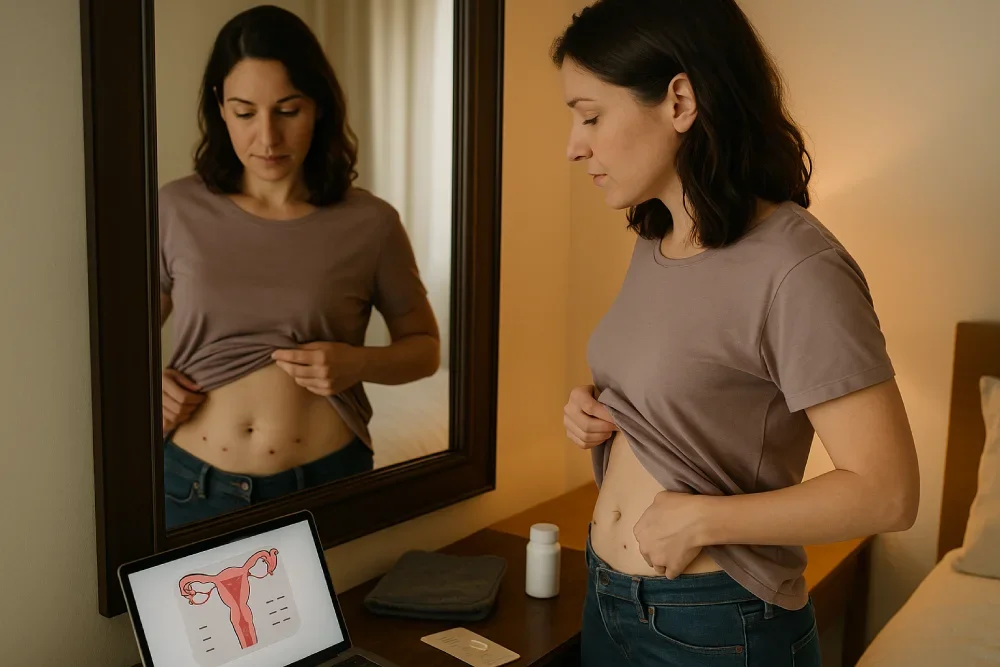
Robotic tubal reversal offers significant advantages in post-operative recovery compared to traditional open surgery. Most patients experience mild to moderate pain that improves quickly over the first few days. The minimally invasive approach also results in much smaller scars and faster healing times.
Understanding what to expect during recovery helps you prepare properly and recognize normal healing patterns. Pain levels are typically manageable with over-the-counter medications. Scarring is minimal due to the small incisions required for robotic surgery.
Recovery varies by individual, but most patients return to normal activities within 1-2 weeks. Following proper wound care instructions and activity guidelines ensures the best possible healing outcomes.
Key Takeaways
Post-operative pain after robotic tubal reversal is typically mild to moderate, peaking within 24-48 hours and manageable with over-the-counter medications like ibuprofen and acetaminophen.
Robotic surgery creates 3-5 small incisions (5-12mm) that heal to barely visible scars within 6-12 months, significantly better than large open surgery scars.
Most patients return to normal activities within 1-2 weeks, much faster than traditional open surgery which requires 4-6 weeks recovery time.
Risk of internal adhesions is low with robotic techniques, though slightly higher for women with multiple previous abdominal surgeries like C-sections.
Proper wound care including keeping incisions clean and dry, following activity restrictions, and avoiding sun exposure optimizes healing and minimizes scar formation.
Long-term outcomes show excellent fertility success rates of 60-80% and high patient satisfaction due to minimal scarring and faster recovery compared to open procedures.
Understanding Post-Operative Pain Levels
Pain after robotic tubal reversal follows a predictable pattern for most patients. The discomfort peaks within the first 24-48 hours and then steadily decreases. This timeline helps you plan for appropriate pain management and activity levels.
Pain Timeline and Intensity
|
Time Period |
Pain Level |
Description |
Pain Management |
|
First 24 hours |
Moderate (4-6/10) |
Post-surgical discomfort, anesthesia effects |
Prescription medications as prescribed |
|
Days 2-3 |
Mild to moderate (3-5/10) |
Decreasing surgical site tenderness |
Transition to over-the-counter options |
|
Days 4-7 |
Mild (1-3/10) |
Occasional discomfort with movement |
Acetaminophen or ibuprofen as needed |
|
Week 2 |
Minimal (0-2/10) |
Rare twinges, mostly comfortable |
Pain relief rarely needed |
Factors That Influence Pain Levels
Your individual pain experience depends on several personal factors. Age, overall health, and pain tolerance all affect how you feel during recovery. Women who maintain good physical fitness before surgery often report less post-operative discomfort.
Previous abdominal surgeries can influence pain levels due to existing scar tissue. However, most patients still experience significantly less pain with robotic surgery compared to open procedures. The precision of robotic instruments minimizes unnecessary tissue damage.
Individual Factors Affecting Pain:
Age and overall fitness level before surgery
Personal pain tolerance and previous surgery experiences
Presence of existing abdominal scar tissue from prior procedures
How well you follow post-operative care instructions
Use of appropriate pain management techniques
Quality of rest and sleep during initial recovery period
Effective Pain Management Strategies
Most patients find over-the-counter pain medications sufficient after the first day or two. Ibuprofen and acetaminophen work well for managing the mild to moderate discomfort typical after robotic surgery.
Taking pain medication on a regular schedule works better than waiting until pain becomes severe. This approach keeps you more comfortable and allows for better rest and healing. Your doctor will provide specific instructions for medication timing and dosages.
Pain Relief Options:
Over-the-counter ibuprofen for inflammation and pain
Acetaminophen for additional pain control without stomach irritation
Ice packs on incision sites for 15-20 minutes several times daily
Heat therapy for muscle tension in shoulders and back
Gentle movement and walking to prevent stiffness
Proper positioning with pillows for comfort while resting
Scarring with Robotic Surgery
Robotic tubal reversal creates minimal visible scarring due to the small incisions required. Most scars fade to barely noticeable marks within several months. This represents a major advantage over traditional open surgery which leaves much larger, more prominent scars.
Incision Details and Healing
Robotic surgery typically requires 3-5 small incisions ranging from 5-12mm in length. These tiny cuts heal much faster and with less scarring than the large incisions needed for open surgery. Most patients are surprised by how small and neat their incisions appear.
|
Incision Type |
Size |
Location |
Healing Time |
Final Appearance |
|
Camera port |
12mm |
Belly button area |
2-3 weeks |
Often invisible in natural fold |
|
Instrument ports |
5-8mm |
Lower abdomen |
2-4 weeks |
Thin, pale lines |
|
Assistant port |
5-8mm |
Side abdomen |
2-4 weeks |
Minimal visible marking |
Factors Affecting Scar Formation
Individual healing varies based on genetics, skin type, and age. Some people naturally form more noticeable scars while others heal with barely visible marks. However, even patients prone to scarring typically have excellent cosmetic results with robotic surgery.
Proper wound care during the first few weeks significantly impacts final scar appearance. Following your surgeon's instructions for cleaning, dressing changes, and activity restrictions helps optimize healing and minimize scar formation.
Scar Healing Factors:
Genetics and natural healing tendency
Age at time of surgery - younger patients often heal with less visible scars
Skin type and color - some skin tones show scars more prominently
Following wound care instructions precisely
Avoiding sun exposure on healing incisions
Not picking at or disturbing healing wounds
Long-Term Scar Appearance
Most robotic surgery scars continue to fade and improve for 6-12 months after surgery. What initially appears as red or pink marks typically becomes pale, thin lines that blend with your natural skin tone. Many patients report their scars become virtually invisible over time.
Using scar reduction treatments can further improve appearance if desired. Silicone sheets, scar gels, or massage techniques may help minimize any remaining marks. However, most patients find these treatments unnecessary due to the minimal scarring from robotic surgery.
Internal Scarring and Adhesions
While external scars are minimal with robotic surgery, internal scar tissue formation remains a consideration. Adhesions are bands of scar tissue that can form between internal organs after any abdominal surgery. The risk is lower with robotic techniques but cannot be eliminated completely.
Risk Factors for Internal Scarring
The risk of problematic adhesions is generally low after robotic tubal reversal. However, certain factors can increase this risk. Women with multiple previous abdominal surgeries may have higher adhesion risk due to existing scar tissue.
Higher Risk Factors:
Multiple previous C-sections or abdominal surgeries
History of pelvic inflammatory disease or endometriosis
Previous complications from abdominal surgery
Genetic tendency toward excessive scar formation
Poor wound healing due to medical conditions like diabetes
Minimizing Adhesion Formation
Robotic surgery techniques naturally reduce adhesion risk through several mechanisms. The smaller incisions cause less tissue trauma overall. Enhanced visualization allows surgeons to handle tissues more gently, reducing inflammatory responses that lead to scar formation.
Following post-operative instructions carefully also helps minimize adhesion risk. Early gentle movement promotes healthy healing patterns. Avoiding heavy lifting and strenuous activity during initial healing prevents tissue stress that could promote excessive scarring.
Recovery Timeline and Expectations
Recovery from robotic tubal reversal is typically much faster than open surgery. Most patients feel significantly better within the first week and return to normal activities within 1-2 weeks. Understanding the typical timeline helps you plan appropriately.
Week-by-Week Recovery Progression
|
Recovery Week |
Activity Level |
Expectations |
Restrictions |
|
Week 1 |
Light activities only |
Gradual pain reduction, some fatigue |
No lifting over 10 pounds, minimal stairs |
|
Week 2 |
Increased daily activities |
Most pain resolved, energy improving |
Continue lifting restrictions, no exercise |
|
Week 3-4 |
Near normal activities |
Full energy return, minimal discomfort |
Doctor clearance for full activities |
Signs of Proper Healing
Normal healing follows predictable patterns that indicate everything is progressing well. Knowing what to expect helps reduce anxiety and ensures you recognize any concerning changes that need medical attention.
Normal Recovery Signs:
Incisions look clean with minimal redness or swelling
Pain decreases steadily rather than worsening
Energy levels improve gradually each day
No fever, excessive drainage, or signs of infection
Ability to move and walk without severe discomfort
Appetite returns to normal within a few days
When to Contact Your Doctor
While complications are rare with robotic surgery, certain symptoms warrant immediate medical attention. Recognizing warning signs ensures prompt treatment if problems develop.
Contact your surgeon immediately for fever over 101°F, heavy bleeding, or severe pain that worsens instead of improving. Signs of infection like increasing redness, warmth, or drainage from incisions also need prompt evaluation.
Warning Signs Requiring Medical Attention:
Fever over 101°F or chills
Heavy bleeding or clot passage
Severe pain that increases rather than decreases
Signs of incision infection - redness, warmth, pus drainage
Persistent nausea and vomiting preventing fluid intake
Difficulty urinating or signs of urinary tract infection
Wound Care and Scar Prevention
Proper wound care during the first few weeks after surgery significantly impacts both healing and final scar appearance. Following specific instructions helps prevent infection and promotes optimal cosmetic results.
Daily Wound Care Instructions
Keep incisions clean and dry for the first 24-48 hours after surgery. Your surgeon will provide specific instructions for when you can shower and how to care for your wounds. Most patients can shower within 1-2 days but should avoid soaking in baths.
Basic Wound Care Steps:
Gently clean incisions with mild soap and water during showers
Pat incisions dry with clean towel - avoid rubbing or scrubbing
Apply any prescribed antibiotic ointment as directed
Cover with clean, dry bandages if drainage is present
Change bandages daily or when they become wet or soiled
Avoid applying lotions, creams, or makeup to healing incisions
Activities to Promote Healing
Gentle activity promotes good circulation and healing while excessive activity can stress healing tissues. Finding the right balance helps optimize your recovery outcome.
Light walking is encouraged starting the day after surgery. This helps prevent blood clots and promotes healthy circulation. However, avoid heavy lifting, vigorous exercise, or activities that strain your abdominal muscles for several weeks.
Long-Term Outcomes and Success
Long-term results after robotic tubal reversal show excellent outcomes for both symptom relief and fertility restoration. The minimally invasive approach contributes to better overall satisfaction and fewer long-term complications.
Fertility Success After Healing
Once healing is complete, most women can begin attempting pregnancy. The precision of robotic surgery helps preserve more healthy fallopian tube tissue, potentially improving pregnancy success rates. However, individual results depend on multiple factors including age and overall reproductive health.
Success rates for pregnancy after robotic tubal reversal are encouraging, with many studies showing pregnancy rates of 60-80% depending on patient factors. The reduced scarring and tissue trauma from robotic techniques may contribute to these positive outcomes.
Quality of Life Improvements
Most patients report significant improvement in quality of life after robotic tubal reversal. The faster recovery allows quicker return to work, family responsibilities, and normal activities. Minimal scarring also contributes to better body image and confidence.
The reduced pain and faster healing associated with robotic surgery make the overall experience much more positive compared to traditional open procedures. This can be especially important for women who may need additional fertility treatments or procedures in the future.
Conclusion
Robotic tubal reversal offers significant advantages in managing post-operative pain and minimizing scarring compared to traditional open surgery. Most patients experience mild to moderate pain that resolves quickly with over-the-counter medications and heal with barely visible scars.
The minimally invasive robotic approach results in faster recovery times, better cosmetic outcomes, and lower complication rates. Understanding what to expect during recovery helps you prepare appropriately and achieve the best possible results.
Experience Advanced Robotic Surgery Benefits
Dr. Jason Neef, an experienced OBGYN, specializes in robotic tubal reversal procedures that minimize post-operative pain and scarring. Schedule a consultation to learn how robotic techniques can provide superior recovery outcomes for your tubal reversal surgery.
Schedule Your Robotic Tubal Reversal Consultation
Call (817) 568-8731Categories:


Frequently Asked Questions
-
Most patients experience mild to moderate pain that peaks within the first 24-48 hours, described as similar to menstrual cramping or a dull ache, then gradually decreases over the first week.
-
Pain typically decreases significantly within the first week, with most patients needing pain medication for only a few days. Over-the-counter medications are usually sufficient after the initial 48-72 hours.
-
Robotic tubal reversal typically requires 3-5 small incisions ranging from 5-12mm in length. The camera port is usually 12mm at the belly button, with instrument ports of 5-8mm on the sides and lower abdomen.
-
Robotic surgery scars are minimal and fade to barely visible thin lines within 6-12 months. Most patients are surprised by how small and neat their incisions appear even immediately after surgery.
-
Scar healing depends on genetics, age, skin type, following wound care instructions, avoiding sun exposure on healing incisions, and not picking at or disturbing the healing wounds.
-
While the risk of problematic adhesions is generally low with robotic techniques, it can be slightly higher for women with multiple previous abdominal surgeries like C-sections or other procedures.
-
Most patients return to normal activities within 1-2 weeks, much faster than traditional open surgery which requires 4-6 weeks. Light activities can usually resume within the first week.
-
Contact your surgeon immediately for fever over 101°F, heavy bleeding, severe pain that worsens instead of improving, or signs of incision infection like increasing redness, warmth, or pus drainage.
-
Robotic surgery typically causes significantly less pain and has a shorter duration compared to open surgery. Most patients need pain medication for days rather than weeks.
-
Keep incisions clean and dry, follow wound care instructions precisely, avoid sun exposure on healing wounds, don't pick at scabs, and maintain good nutrition to support tissue healing.