Robotic Hysterectomy for Fibroids: Recovery, Benefits, and What to Expect
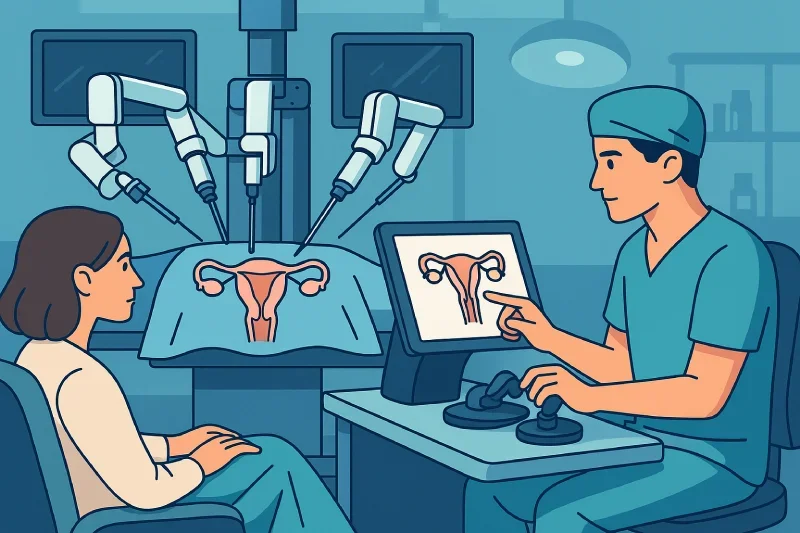
Uterine fibroids affect many people, and when symptoms become severe, surgery may be recommended. Robotic hysterectomy is one of the most advanced surgical options available. This guide covers what the procedure involves, how it compares to other options, and what recovery looks like from day one to full return to normal activities.
Read More
Robotic Hysterectomy Surgical Precision Explained
A hysterectomy is one of the most common surgical procedures performed in women’s health, typically used to treat conditions like fibroids, endometriosis, abnormal bleeding, or even cancer.
Read More
Robotic Hysterectomy Scar Appearance and Healing
A hysterectomy is one of the most common surgical procedures performed in women’s health, typically used to treat conditions like fibroids, endometriosis, abnormal bleeding, or even cancer.
Read More
Robotic Hysterectomy: What It Is and When It’s Needed
A hysterectomy—the surgical removal of the uterus—is one of the most commonly performed gynecologic procedures. In the past, this operation often required large abdominal incisions, extended hospital stays, and lengthy recoveries.
Read More
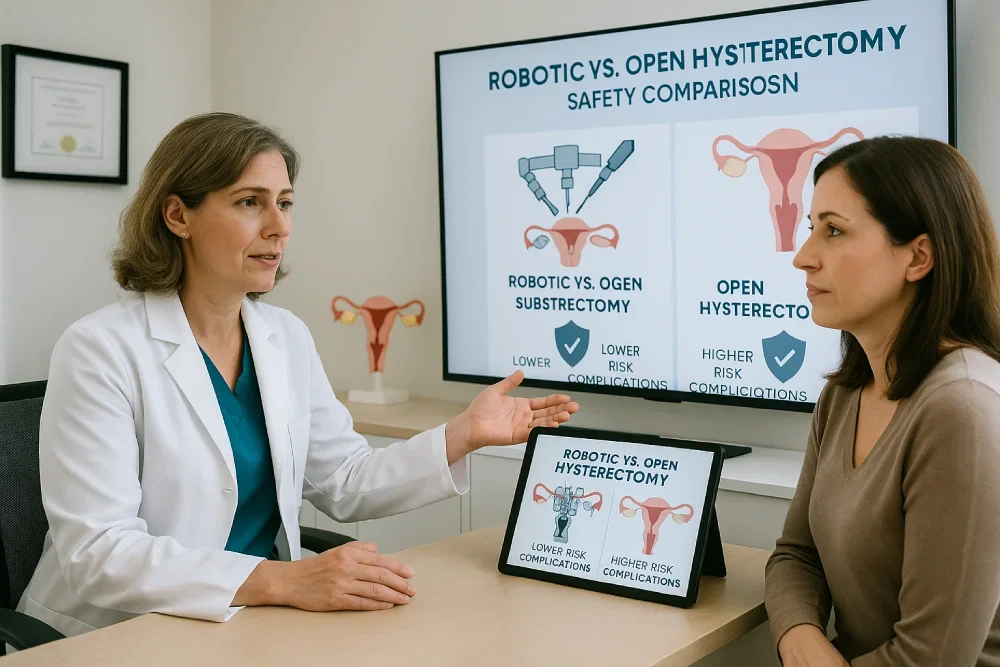
Robotic vs Open Hysterectomy: Which Is Safer?
Robotic hysterectomy is a safe and effective surgical option for many patients, including those with complex cases such as large uteri or high BMI.
Read More
Sexual Health After Robotic Hysterectomy: What to Expect and How to Recover
Robotic hysterectomy is a minimally invasive surgical technique for removing the uterus that is increasingly favored for its precision, reduced recovery time, and lower complication rates compared to traditional open surgery.
Read More
When to Choose Robotic Hysterectomy Over Laparoscopic Surg
Hysterectomy, the surgical removal of the uterus, is a common procedure performed for various benign and malignant conditions.
Read More
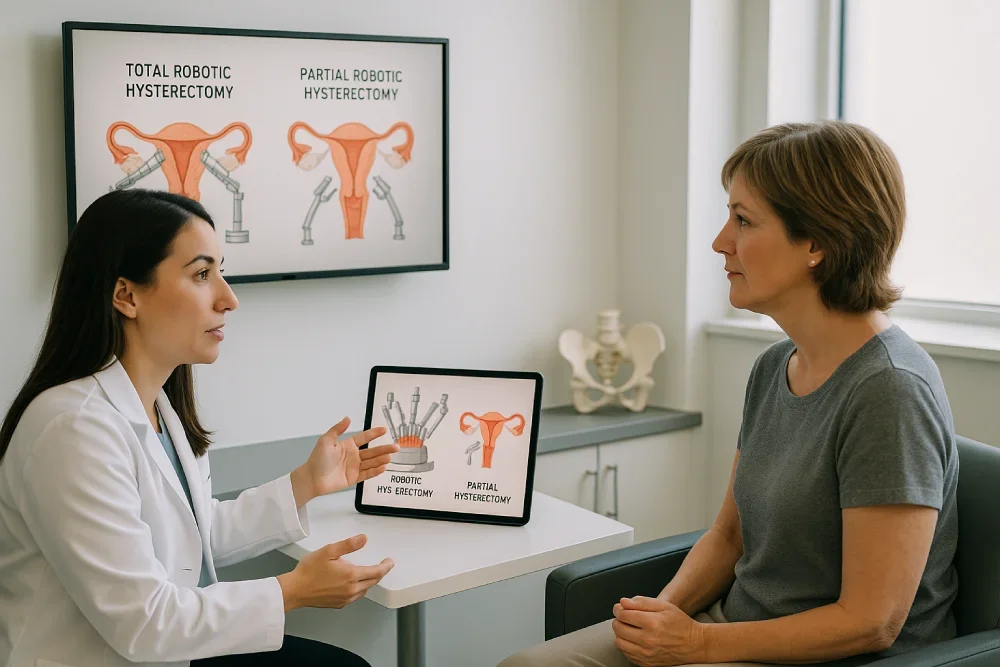
Total vs Partial Robotic Hysterectomy: Key Differenc
Robotic hysterectomy is a minimally invasive surgical procedure in which the uterus is removed with the assistance of advanced robotic technology.
Read More
Precision and Accuracy: How Robotics Enhance Hysterectomy Outcomes
Robotics significantly enhance the precision and accuracy of hysterectomy outcomes. Advanced features such as high-definition 3D visualization, intuitive controls, and sophisticated mechanics contribute to precise tissue identification and enable less invasive procedures, thereby reducing the duration of patient recovery.
Read More
The Emotional and Psychological Journey of Robotic Hysterectomy Patients
Undergoing a robotic hysterectomy can invariably lead to the emergence of complex emotions, which may encompass anxiety and fear, as well as relief and sadness. It is entirely acceptable to experience apprehension concerning surgical outcomes and potential emotional alterations.
Read More
Cutting-Edge Gynecology: The Global Adoption and Future of Robotic Surgeries
The global adoption of robotic surgeries in the field of gynecology is revolutionizing the sphere of women’s health and the methodologies of treatment. These advancements offer myriad benefits, including enhanced precision, minimally invasive procedures, expedited recovery periods, and a lower risk of infection, making it the preferred option for conducting complicated surgeries.
Read More
From Imaging to Operation: The Crucial Role of Medical Imaging in Robotic Surgeries
Medical imaging serves a pivotal role in the realm of robotic surgeries, supplying an immediate and comprehensive visual guide that significantly enhances precision and navigation within intricate human anatomy. This technology is utilized in both the preparatory stages prior to surgery and during the surgical procedure itself, offering surgeons the indispensable visibility needed to circumvent potential errors.
Read More